
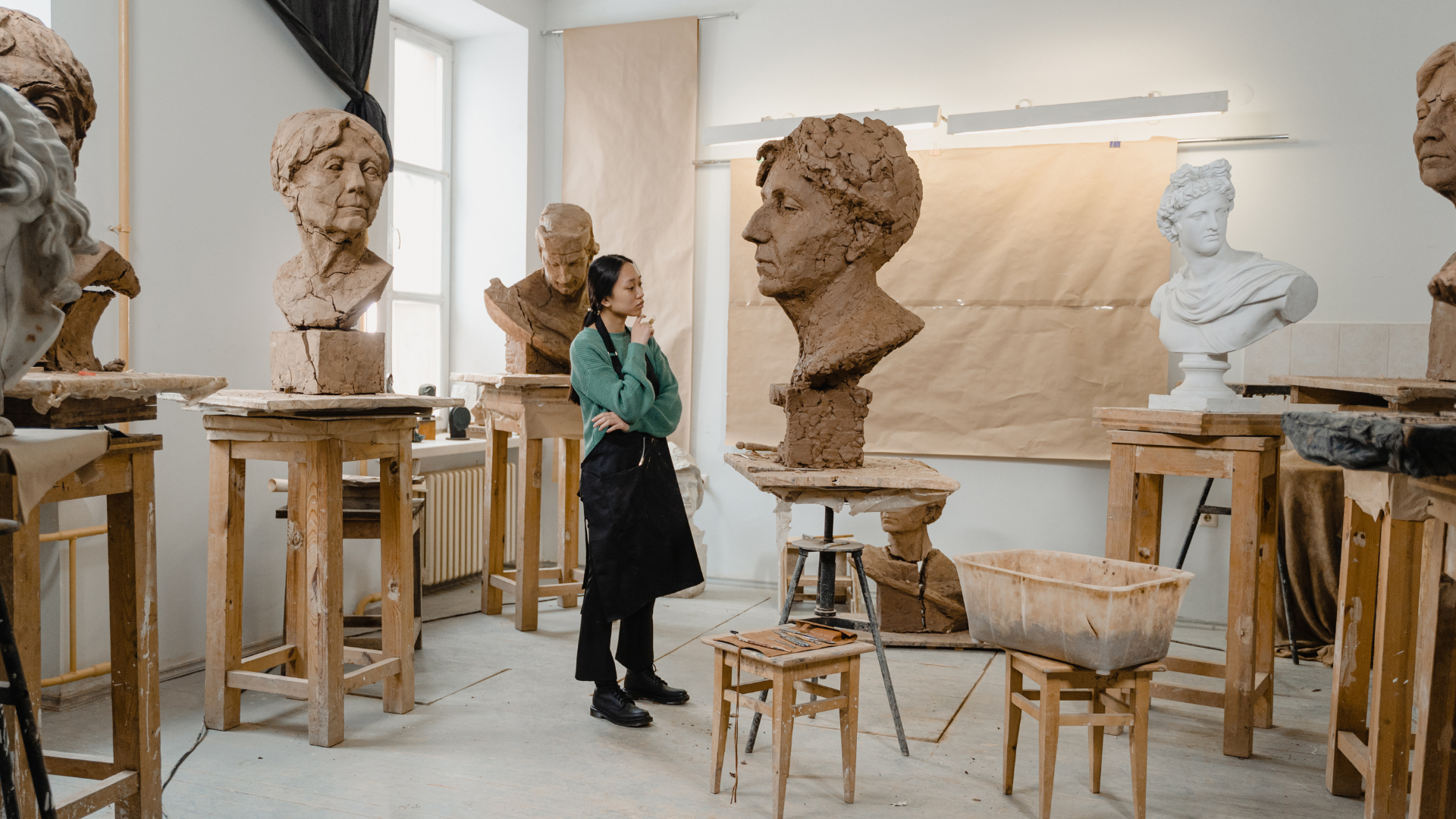
Creating a home art studio can be a transformative experience that enriches creativity and enhances mental well-being. Designating a specific space for artistic expression allows individuals to tap into their creative potential, leading to increased productivity and personal satisfaction. This dedicated environment can help foster a sense of routine, making it easier to engage in art regularly.
An art studio doesn’t need to be expansive; even a small corner can become a sanctuary for creativity. With simple organization and the right materials, anyone can create an inspiring workspace. This setup encourages regular engagement with art, which has been shown to improve mental health by reducing stress and providing a joyful outlet for self-expression.
Ultimately, building a home art studio is about more than just the physical space. It serves as a commitment to one’s creative journey, allowing individuals to explore their artistic talents while positively impacting their overall well-being.
Planning Your Home Art Studio
Creating a home art studio requires critical thought about space, budget, and design for effective use. Proper planning establishes a conducive environment for creativity, ensuring every aspect is accounted for.
Assessing the Space Options
Start by evaluating available spaces in the home. Common choices include a spare room, garage, basement, or even an attic. Each location has distinct advantages.
- Spare Room: Often optimal for privacy and dedicated use; it can be easily tailored.
- Garage: Offers ample space but may require insulation and ventilation.
- Basement: Provides seclusion; however, moisture control is vital.
- Attic: Unique ambiance, though accessibility may be a concern.
Take measurements to determine how much studio equipment and supplies can fit. Prioritize natural light, which enhances the creative atmosphere. It is also useful to evaluate the overall space and consider how it may evolve with future needs. In connection with this, exploring finished vs unfinished basements can highlight important differences in functionality and long-term value when planning a creative studio.
Considering Your Budget
Budget considerations are crucial when planning a home art studio. Costs can vary substantially based on space type and desired amenities.
- DIY Solutions: Creating custom storage or worktables can reduce expenses.
- Essential Supplies: Allocate funds for basic materials like paint, brushes, and canvases before upgrading to more expensive equipment.
Keep in mind ongoing costs such as utilities and maintenance. Setting a realistic budget helps manage expectations and supports the creation of a functional space without financial strain.
Designing for Productivity
Design plays a significant role in the success of a home art studio. Consider factors that promote focus and efficiency.
- Workstation Setup: Ensure an ergonomic workspace with appropriate tools within reach.
- Storage Solutions: Utilize shelves, cabinets, and organizers to declutter the area.
- Lighting: Incorporate both natural light and task lighting for versatility.
Configurational layout is vital. It should facilitate smooth movement between different functions like painting, drawing, and cleaning. Creating zones for different activities can enhance workflow and contribute to a satisfying creative experience.
Optimizing Studio Lighting
Proper lighting is crucial for any home art studio, impacting the quality of work in painting, drawing, or sculpting. By maximizing both natural light and artificial lighting, artists can create an environment conducive to creativity and precision.
Harnessing Natural Light
Utilizing natural light is essential for artists. Positioning the studio near windows allows for ample daylight to illuminate the workspace. North-facing windows provide consistent, diffused light throughout the day, reducing harsh shadows. In case there’s a lack of adequate natural light because of small or tinted windows, individuals can consider installing replacement windows that are better aligned with their needs and preferences.
To enhance natural lighting:
- Use sheer curtains to soften the light and avoid glare.
- Angle work surfaces toward the light source to maximize exposure.
- Incorporate mirrors to reflect light into darker areas.
Monitoring the time of day and changing seasons helps artists adjust their work schedules to take advantage of optimal daylight conditions. This approach not only enhances visibility but also positively influences color perception and mood.
Enhancing with Artificial Lighting
In addition to natural lighting, incorporating artificial light sources is necessary for evening or poorly lit spaces. Choosing the right type of artificial lighting can significantly impact the color rendering and overall clarity of the work.
Key considerations include:
- Color Rendering Index (CRI): Select bulbs with a CRI of 90 or higher to ensure accurate color representation.
- Daylight lamps: These mimic natural light and are especially useful for detailed work.
For a balanced lighting setup:
- Use a combination of overhead lights and task lighting such as LED desk lamps.
- Position task lights at adjustable angles to eliminate shadows.
To ensure that all of these fixtures are installed correctly and the electrical connections are properly secured, it’s a good idea to leave the installation to credible Electrician services Baton Rouge LA, or other areas. The experts can handle the job and make sure everything is set up safely. By incorporating the right artificial lighting, artists can create a flexible and well-lit workspace that supports their creative process.
Organizing Your Creative Tools
Creating an efficient art studio requires thoughtful organization of creative tools and supplies. This ensures that everything is readily accessible and promotes a productive environment.
Storage Solutions for Art Supplies
Effective storage is crucial for keeping art supplies organized. Vertical storage options can save space and allow easy access to materials. Shelves, pegboards, and wall-mounted racks can display paints, brushes, and other tools visually.
Examples of storage solutions include:
- Clear plastic bins: Ideal for sorting smaller items like pens and pencils.
- Drawer organizers: Useful for keeping various tools separated.
- Rolling carts: Offer flexibility and mobility for art supplies.
Incorporating inspiring decor, such as artwork or color-coordinated storage, can enhance creativity. Labels on bins and containers can help maintain order, ensuring that everything has its place.
Workspace Furniture Choices
Choosing the right furniture is essential for comfort and functionality. An ergonomic chair supports long hours of work, reducing strain. It should have adjustable features to accommodate different body types. A standing desk or a drafting table can provide versatility. These options allow artists to shift their positions and work comfortably in various ways.
When selecting furniture, consider:
- Surface area: Ensure that the desk has enough space for materials.
- Storage solutions integrated into furniture: Look for desks with built-in shelves or drawers.
Arranging furniture thoughtfully contributes to an inspiring atmosphere, making it easier to focus on creativity.
Maintaining a Healthy Studio Environment
A well-maintained studio environment fosters creativity and supports an artist’s productivity. Key aspects like effective ventilation and inspiring decor significantly impact both health and creativity.
Effective Ventilation Systems
Proper ventilation is critical in an art studio. It ensures that air circulates freely, reducing the buildup of fumes from paints, solvents, and other materials. A lack of fresh air can lead to health issues and hinder creative output.
Options for ventilation include:
- Windows: Open whenever possible to allow fresh air in.
- Exhaust Fans: Install to remove stale air and fumes efficiently.
- Air Purifiers: Use HEPA filters to capture particles and improve air quality.
Artists should monitor humidity and temperature as well. Ideal conditions enhance comfort, making it easier to engage in the creative process.
Inspiring Decor and Setting
The studio’s decor plays a vital role in inspiring creativity. Selecting colors, art pieces, and organization methods that resonate personally can trigger creative thoughts.
Consider the following elements:
- Color Scheme: Choose colors that evoke feelings of inspiration. Warmer tones can energize, while cooler tones may calm.
- Personal Art: Displaying one’s artwork serves as motivation and a daily reminder of creative goals.
- Organized Space: A tidy studio fosters clarity of mind. Use shelves, boxes, or pegboards to keep materials accessible yet organized.
Incorporating plants can also add vitality and improve air quality, further stimulating the creative flow.